
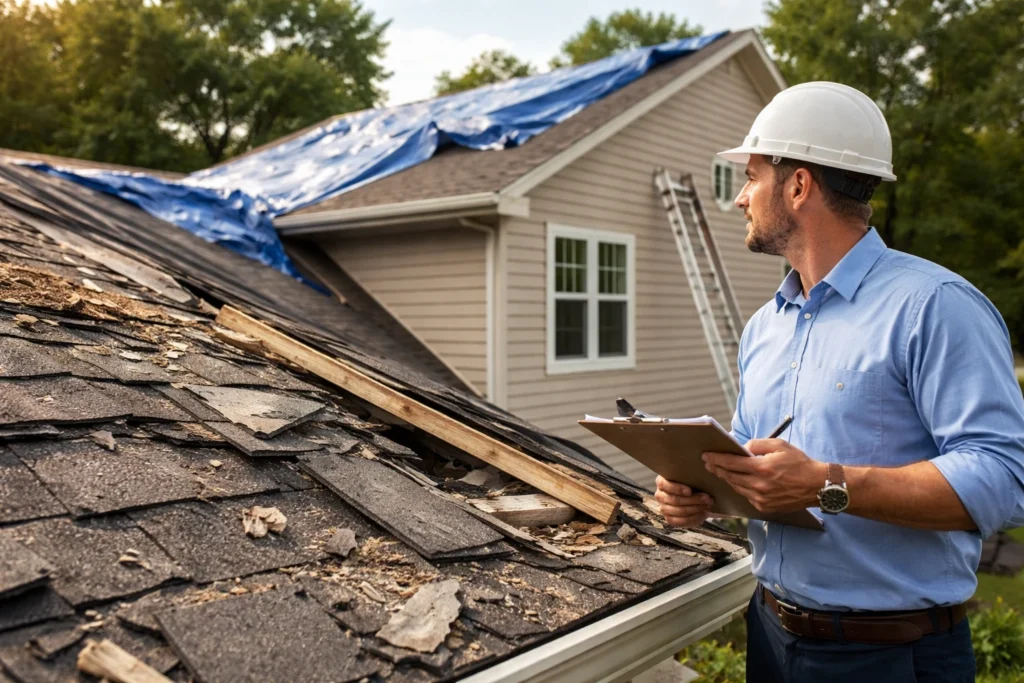
When disaster hits your home, everything feels urgent. The roof is leaking. The drywall is soaked. And suddenly, you’re asking one big question: how do public adjusters work, and should I call one right now?
I’ve seen this scenario play out again and again. A homeowner files a claim, waits, gets an estimate… and something feels off. The numbers don’t match the damage. The process drags. Stress builds. That’s where public adjusters step in and they can completely change the outcome. Let’s break it down clearly. No fluff. Just real, actionable insight you can actually use.
What Is a Public Adjuster? (And Why It Matters)
A public adjuster is a licensed professional who represents you, not the insurance company. That distinction matters more than most people realize.
There are three types of adjusters involved in claims:
- Insurance Company Adjuster – Works for the insurer
- Independent Adjuster – Hired by the insurer
- Public Adjuster – Works for the policyholder
Only one of these is on your side. And it’s not the one your insurance company sends out. A public adjuster’s job is simple in theory but powerful in execution:
They make sure your claim reflects the true cost of your damage and they fight to get it paid.
How Do Public Adjusters Work? (The Straight Answer)
Here’s the short version. Public adjusters evaluate your damage, review your insurance policy, prepare your claim, and negotiate with your insurance company until a fair settlement is reached.
That’s it. But also not even close to the full story. Because what they really do is remove blind spots. They catch what you miss. They push back when insurers undervalue your loss. And they handle the heavy lifting so you don’t have to.
Step-by-Step: How the Process Actually Works
1. Initial Consultation
It usually starts with a quick inspection or conversation.
A public adjuster will:
- Look at your property damage
- Ask about the event (storm, fire, water leak)
- Determine if your claim has strong potential
This step is often free. No pressure. Just clarity.
2. Policy Review and Coverage Breakdown
This is where things get interesting. Insurance policies are dense. Reading them without guidance can feel like parsing something as complex as Quantum entanglement everything is connected, but not always obvious at first glance.
A public adjuster goes line by line and identifies:
- What’s covered
- What’s limited
- What’s excluded
- What can still be claimed but often isn’t
This alone can change your payout dramatically.
3. Property Inspection and Documentation
This is not a quick walkthrough.
A good public adjuster documents everything:
- Roof damage (even subtle impacts)
- Interior issues like moisture, warping, or mold risk
- Structural concerns
- Hidden or secondary damage
They use photos, measurements, and detailed notes to build a case not just a claim.
4. Claim Preparation and Submission
Here’s where most homeowners struggle on their own. A public adjuster creates a fully documented claim package, which may include:
- Repair estimates
- Scope of work
- Photos and evidence
- Supporting documentation
This package is then submitted to your insurance company in a format they can’t easily dismiss.
5. Negotiation with the Insurance Company
This is the turning point. Insurance companies rarely pay the highest amount upfront. That’s not how the system works.
Public adjusters:
- Respond to low offers
- Challenge incomplete assessments
- Communicate directly with the insurer
- Push for a fair and complete payout
And they don’t stop after one conversation. They stay in it until the numbers make sense.
6. Settlement and Payout
Once an agreement is reached, your adjuster will:
- Review the settlement with you
- Explain what’s included (and what’s not)
- Help ensure nothing was overlooked
The goal is simple: you walk away with a settlement that actually covers your loss.
What Does a Public Adjuster Do Every Day?
It’s not just inspections and phone calls.
Here’s what happens behind the scenes:
- Writing detailed damage reports
- Comparing contractor estimates
- Reviewing insurance language
- Meeting with adjusters from the insurance company
- Reassessing claims after new damage is discovered
It’s technical work. Strategic work. And it requires experience.
When Should You Hire a Public Adjuster in Weatherford?
Timing matters. A lot.
You should seriously consider hiring a public adjuster if:
- Your home was hit by hail or wind damage
- You’re dealing with fire or smoke damage
- Water damage is spreading or worsening
- Your claim was denied or underpaid
- The process feels confusing or stalled
And here’s the key insight:
Earlier is usually better.
How Public Adjusters Get Paid
Public adjusters work on a contingency fee basis.
That means:
- No upfront cost
- They get paid only if you get paid
- Their fee is a percentage of your settlement
Typical Fee Structure
| Settlement Amount | Adjuster Fee (%) | Homeowner Pays Upfront? |
| $10,000 | 10%–20% | No |
| $50,000 | 10%–15% | No |
| $100,000+ | 5%–12% | No |
Pros and Cons of Hiring a Public Adjuster
Pros
- Higher claim accuracy
- Less stress and time commitment
- Stronger negotiation position
Cons
- They take a percentage
- Not always needed for small claims
- Quality varies
Common Mistakes Homeowners Make Without One
- Accepting the first offer too quickly
- Missing hidden damage
- Underestimating repair costs
- Misinterpreting policy coverage
- Waiting too long
A Realistic Weatherford Scenario
A homeowner in Weatherford experiences a hailstorm. The insurance company offers $8,000. A public adjuster steps in and documents additional damage.
Final settlement: $22,000.
That’s the real-world impact of understanding how do public adjusters work.
How to Choose the Right Public Adjuster
Look for:
- Texas licensing
- Local Weatherford experience
- Transparent fees
- Strong reputation
Ask smart questions. Trust clear answers.
Public Adjusters vs Handling It Yourself
| Factor | DIY Claim | Public Adjuster |
| Time Required | High | Low |
| Knowledge Needed | High | Expert handled |
| Negotiation Power | Limited | Strong |
| Potential Payout | Often lower | Often higher |
Key Takeaways: How Do Public Adjusters Work
- They represent you
- They manage your claim
- They negotiate for better outcomes
- They get paid only when you do
Final Thoughts
Understanding how do public adjusters work isn’t just helpful it’s strategic. Because when your home is on the line, small details turn into big dollars. And the right help can make all the difference.
FAQs
Public adjusters communicate directly with the insurance company on your behalf, submitting documentation and negotiating to reach a fair settlement.
In many cases, yes they identify overlooked damage and negotiate more effectively, which can lead to higher settlements.
They are often worth it for large or complex claims where the potential increase in payout outweighs their fee.
It depends on the complexity, but most claims can take anywhere from a few weeks to several months.
Yes, you can bring in a public adjuster at almost any stage of the claims process, even after receiving an initial offer.
They typically work on a contingency fee, meaning they receive a percentage of the settlement and only get paid if you do.
They handle a wide range of claims including hail, wind, fire, water, and storm-related property damage.
Yes, public adjusters must be licensed by the state of Texas and meet specific regulatory requirements.
Not if you choose a licensed and reputable professional; the key is to verify credentials and understand the fee structure.
You should contact one as soon as possible after damage occurs, especially if the claim is large, complex, or disputed.